
Case Study Deep Dive: WilliamHill
In 2016, William Hill Online embarked on an ambitious ‘lift-and-shift’ transformation of its entire digital ecosystem—from Sportsbook to Gaming, Casino, Live Casino, and emerging experiences like eSports. Although the brand enjoyed strong recognition, its fragmented product landscape created disjointed user journeys, poor cross-sell performance, and consistently low NPS.
Factotum.design was engaged to define and deliver a unified experience strategy, introduce design thinking capability, and shape a cohesive UX and visual design system that enabled seamless switching across verticals.
Challenge
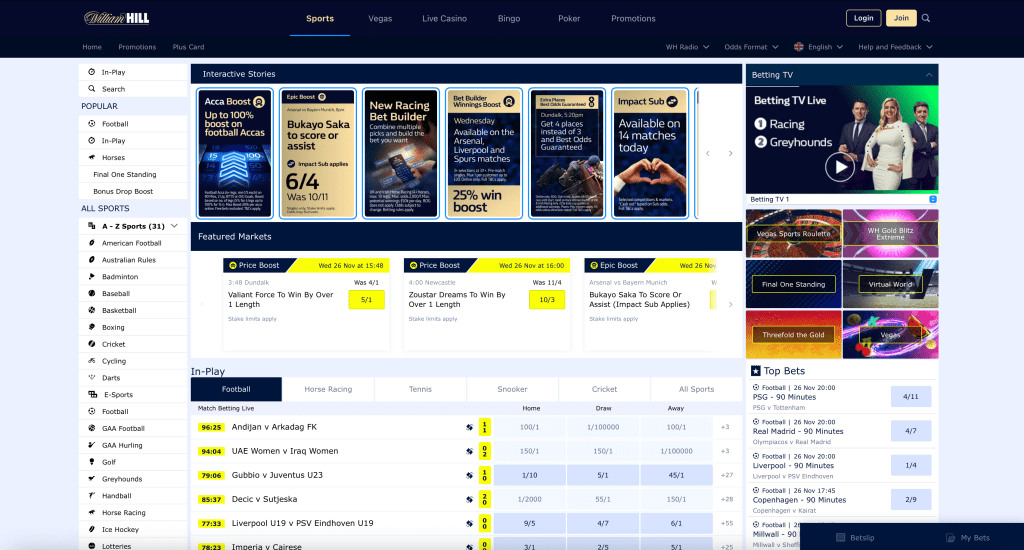
William Hill’s online products operated as isolated verticals. Customers frequently encountered broken links, inconsistent navigation, unclear destinations, and very little alignment between Sportsbook and Gaming.
Key Experience Problems
- High friction when switching between products and verticals
- Broken user journeys resulting in drop-off and customer frustration
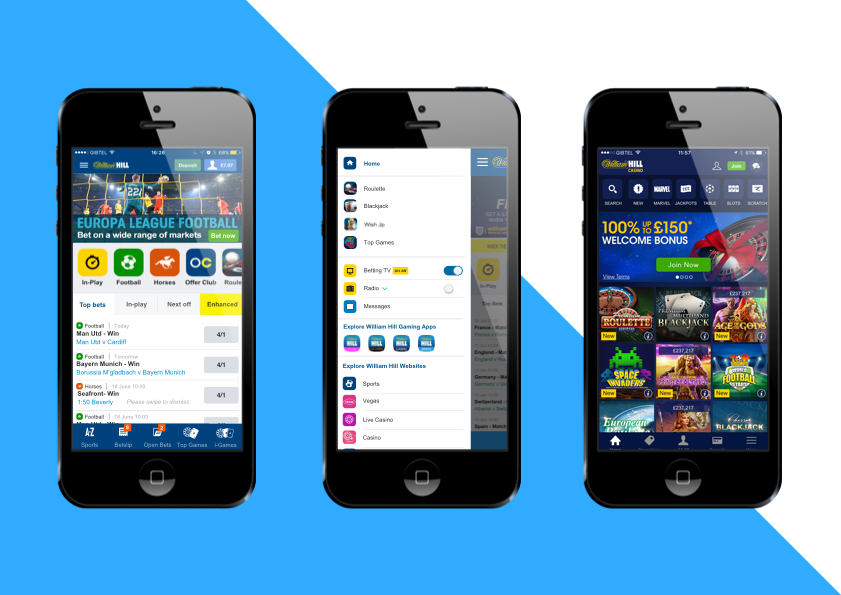
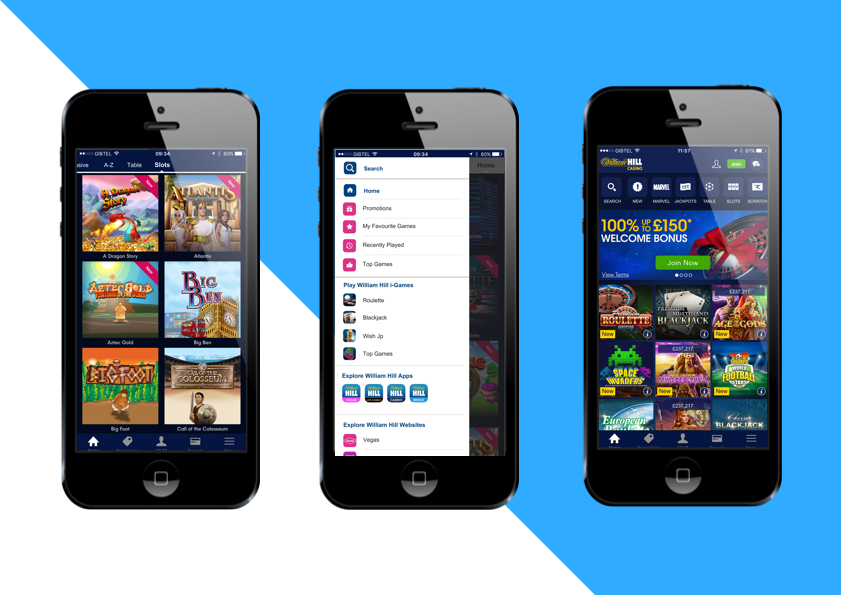
- An inconsistent IA, UX and UI across Sportsbook, Gaming, Casino, and Live Casino
- A dated visual language losing relevance with millennial audiences
- Limited cross-sell pathways and no shared model of user modes or goals
The business challenge was clear: enable customers to move effortlessly across the ecosystem, discover relevant gaming experiences aligned with their passions, and increase engagement through interconnected, intuitive journeys.
Opportunity
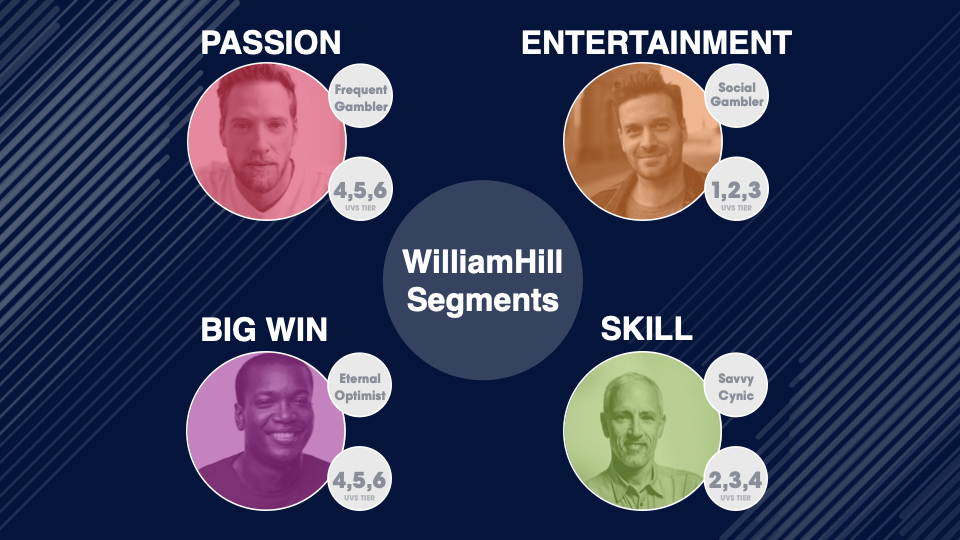
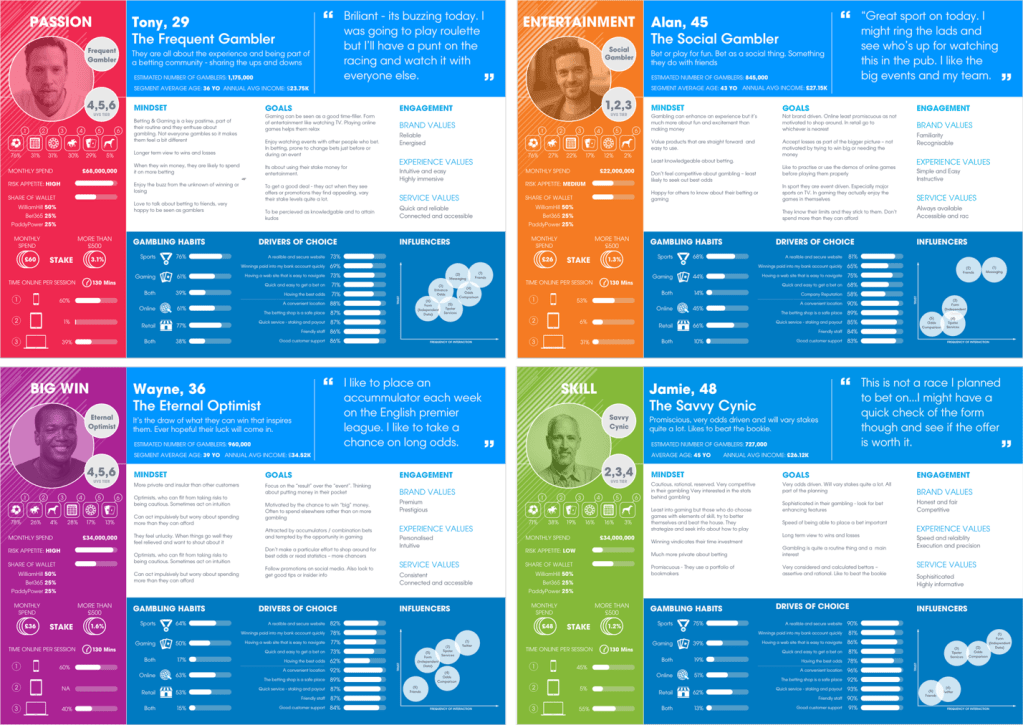
Sports bettors—especially highly engaged users—exhibited strong passion-based behaviour. They trusted the brand, returned weekly, and often expressed interest in complementary gaming content that reflected the sports, teams, or competitive environments they loved.
“I’m passionate about sports and tend to back my team every week… I like games related to the sports I feel passionate about.” — Research Participant
The strategic opportunity was to guide users from skill-based, intention-driven betting into relevant, interest-aligned gaming experiences. Doing this required a complete rethinking of journeys, motivations, and switching behaviours.
Our Approach
1. Applying Design Thinking at Scale
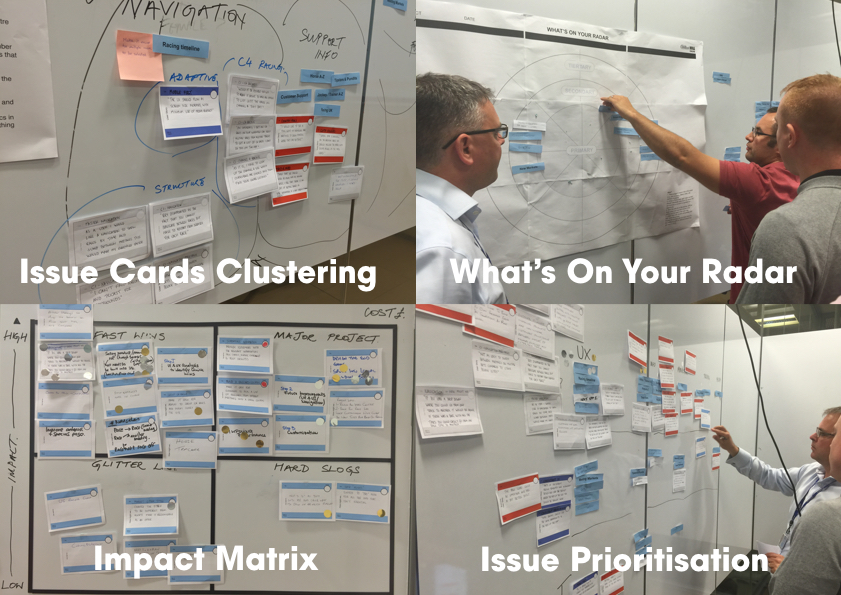
Factotum.design introduced design thinking and user-centred practices to William Hill’s UX teams in Gibraltar. This included:
- Embedding collaborative design sprints
- Aligning cross-functional teams around shared prototypes and journey maps
- Running attitudinal research, moderated studies, and structured user testing
- Establishing repeatable UCD processes within product “tribes”
These initiatives created a foundation for evidence-based decision-making and faster iteration cycles.
2. Discovery & User Research
We undertook extensive customer research across London and remote markets, recruiting and screening representative users from Sportsbook, eSports, and Gaming segments.
Research activities included:
- Journey audits & heuristic evaluations
- Live usability studies of cross-vertical flows
- Exploration of users’ emotional states, motivations, and behaviour modes
- Concept resonance testing of new navigation patterns and switching moments
- IA and taxonomy workshops to create a unified structure
This deep discovery work exposed moments of frustration, cognitive overload, and lost context—critical issues we prioritised in the redesign.
3. Designing Connected, Mode-Based Journeys
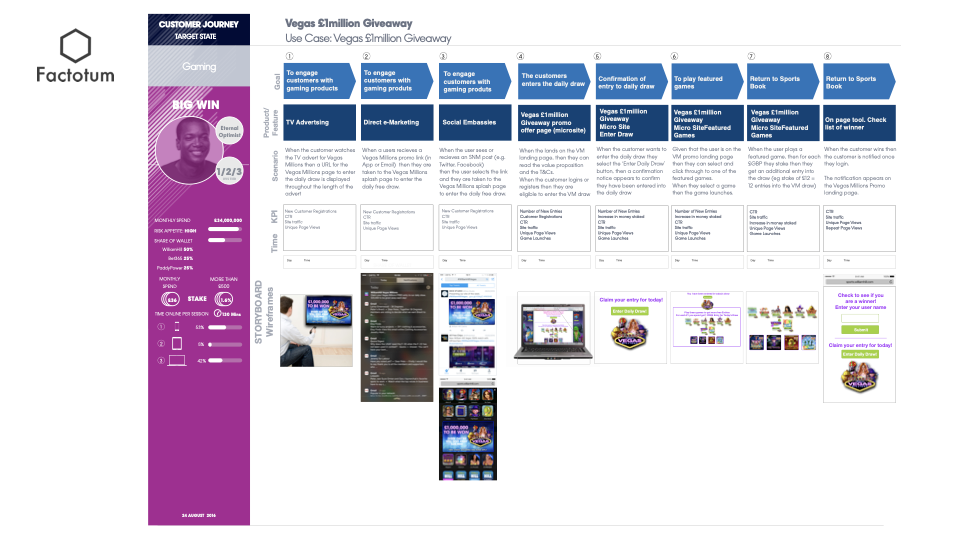
We established a framework that aligned product pathways with user goals and emotional modes:
- Intent Mode: Sportsbook users seeking information, odds, or a quick bet
- Exploration Mode: Curious users open to discovery
- Thrill Mode: Gaming users motivated by entertainment and excitement
We redesigned journeys so customers could seamlessly:
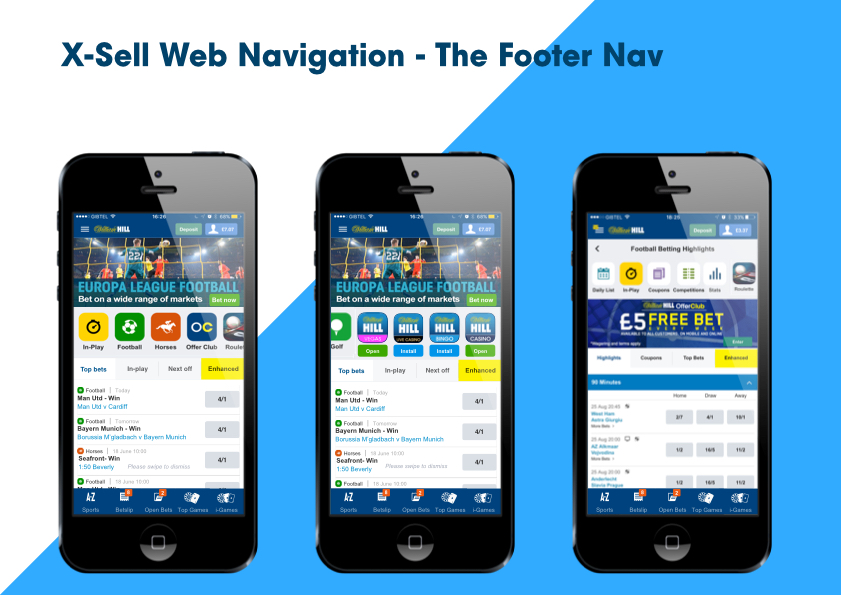
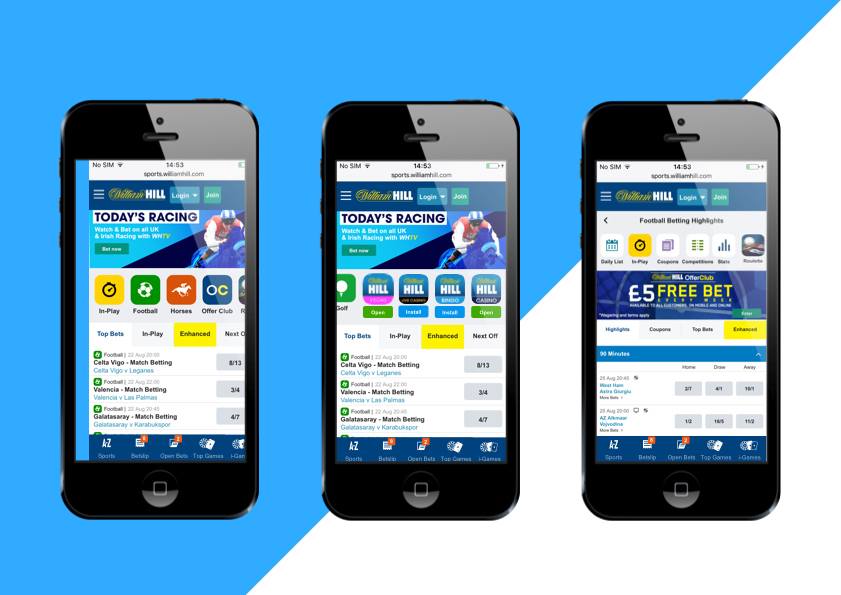
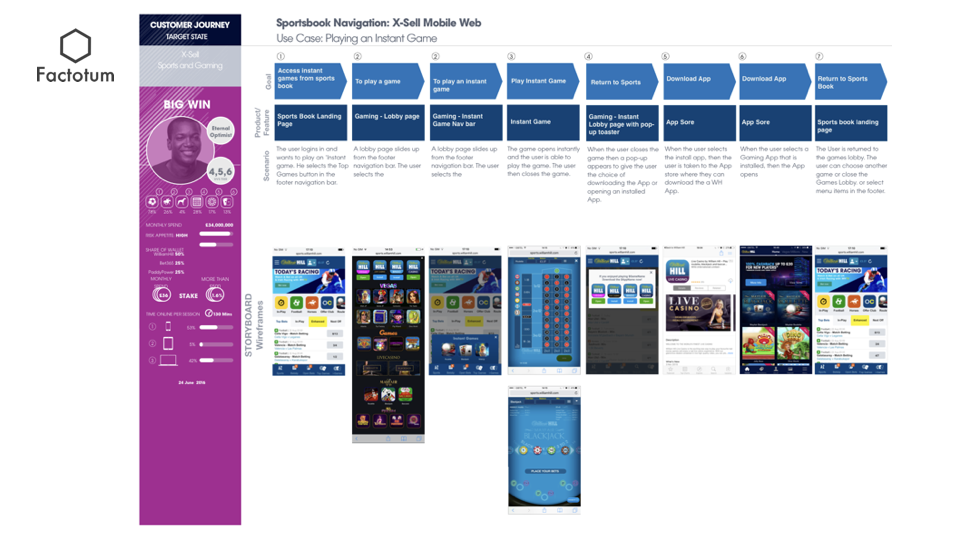
- Switch between Sportsbook, Gaming, Casino, and eSports
- Move from match-based or team-based propositions into themed game experiences
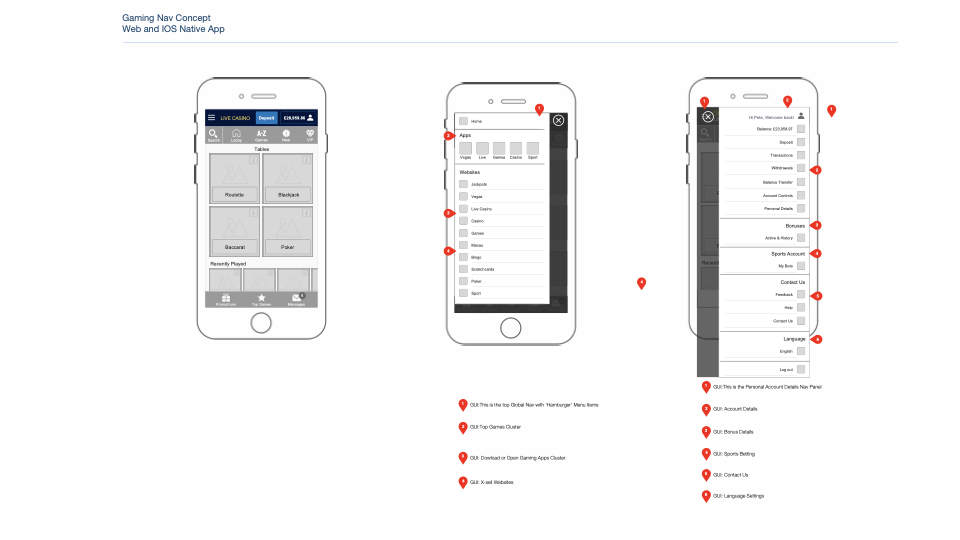
- Navigate using consistent patterns across all destinations
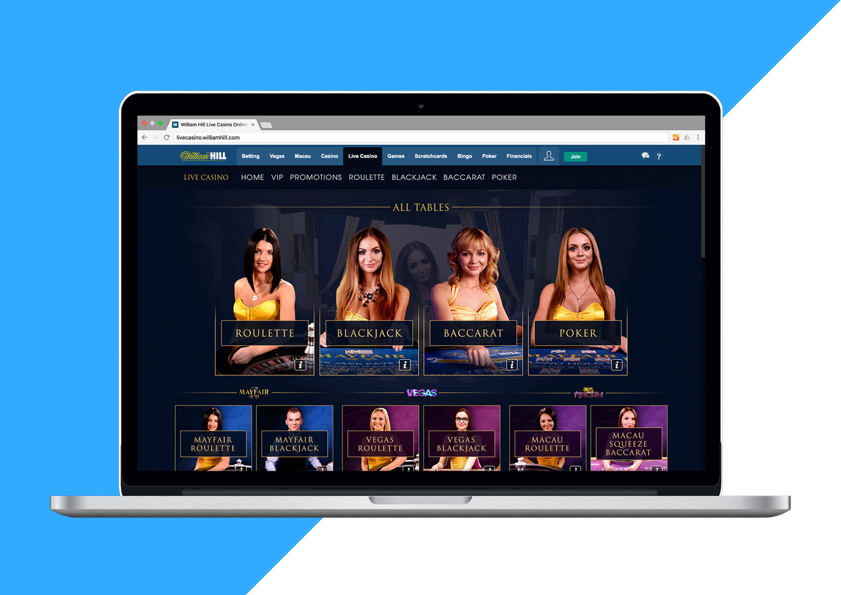
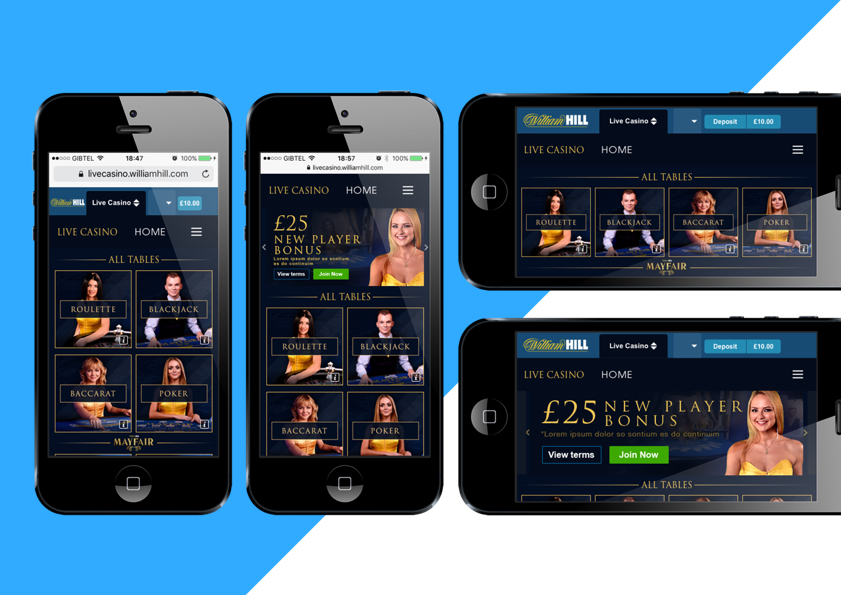
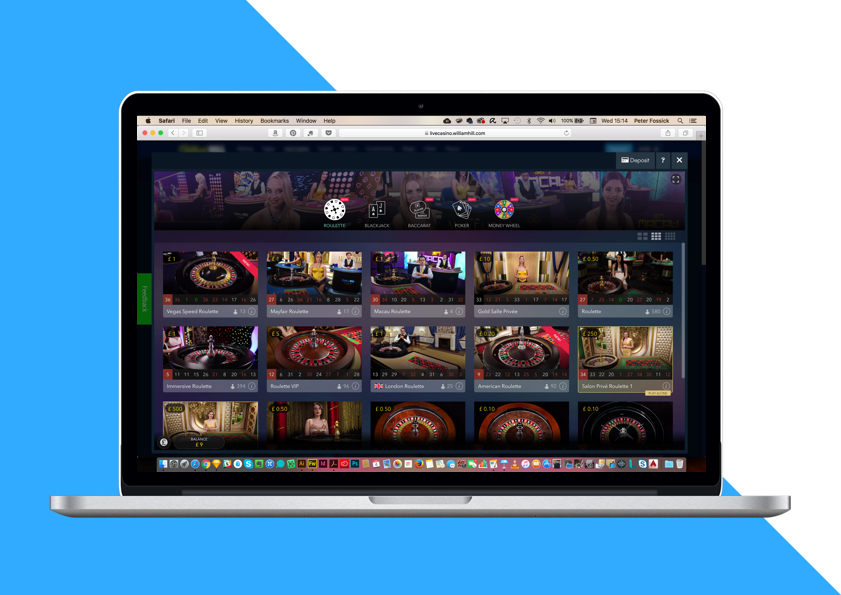
4. William Hill Live Casino Redesign
In the latter phase, we led the redesign of Live Casino, working as part of a dedicated product tribe with a visual designer, product owner, and full dev teams (front & back).
Key responsibilities included:
- Vision and UX direction for the new Live Casino visual design
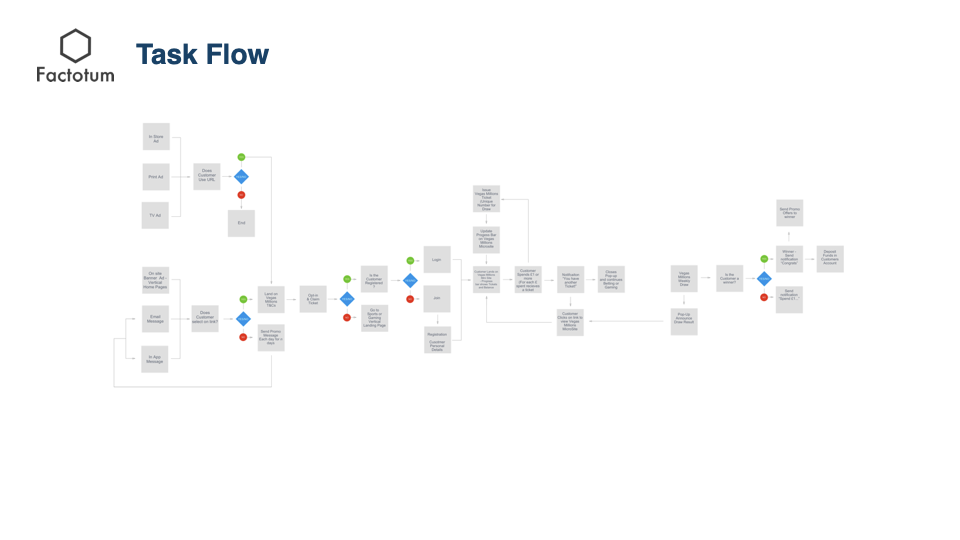
- Interaction design and flow mapping across multiple campaign pathways
- Extensive user research two sprints ahead of developers, ensuring concepts were validated before React.js build
- Creating a fresh, premium visual aesthetic aligned with millennial users
This work contributed significantly to the revitalisation of William Hill’s gaming brand identity.
Outcomes & Impact
William Hill’s strategic transformation delivered measurable results across the business:
Commercial Performance (2017)
- Double-digit growth in both Sportsbook and Gaming net revenue
- Online revenue increased to £1.711B
- Adjusted operating profit up 11% year-on-year
- US net revenue up 29%, operating profit up 24%
- Growth exceeded analyst expectations, attributed partly to UX improvements and favourable sporting results
“We have delivered a strong result in 2017… reflecting our focus on rejuvenating online, growing the U.S. and building an attractive omni-channel proposition.”
— Philip Bowcock, Chief Executive
Experience Improvements
- Reduced friction in cross-vertical journeys
- Higher engagement and dwell time across gaming products
- Improved NPS and customer satisfaction metrics
- A more consistent, modernised brand experience appealing to millennial audiences
- Institutionalised Design Thinking and UCD practices within the organisation
Conclusion
This multi-year transformation reconnected William Hill’s digital ecosystem, turning fragmented products into a coherent experience tuned to customer modes, motivations, and passions. Through design strategy, UX leadership, user research, and visual redesign, Factotum.design helped William Hill deliver a refreshed, future-ready online offering that continues to scale across international markets.
If you’d like this formatted into a web page layout, PDF case study, or presentation deck, just tell me and I’ll generate it.
Technology
Adobe Experience
Timeline
1 Months
Role
Lead UX, UI Design and Strategy
Date Completed
June 2022
 Factotum